Monday, March 13, 2017

Paris: The Before Trilogy 2: 'Before Sunset'


In a post last week, I spoke about Before Sunrise, the first of three movies in Richard Linklater's Before trilogy, that has now been collected and remastered by Criterion. Be sure to read the post linked in the previous sentence before continuing on. I'll try and avoid spoiler-ish language.

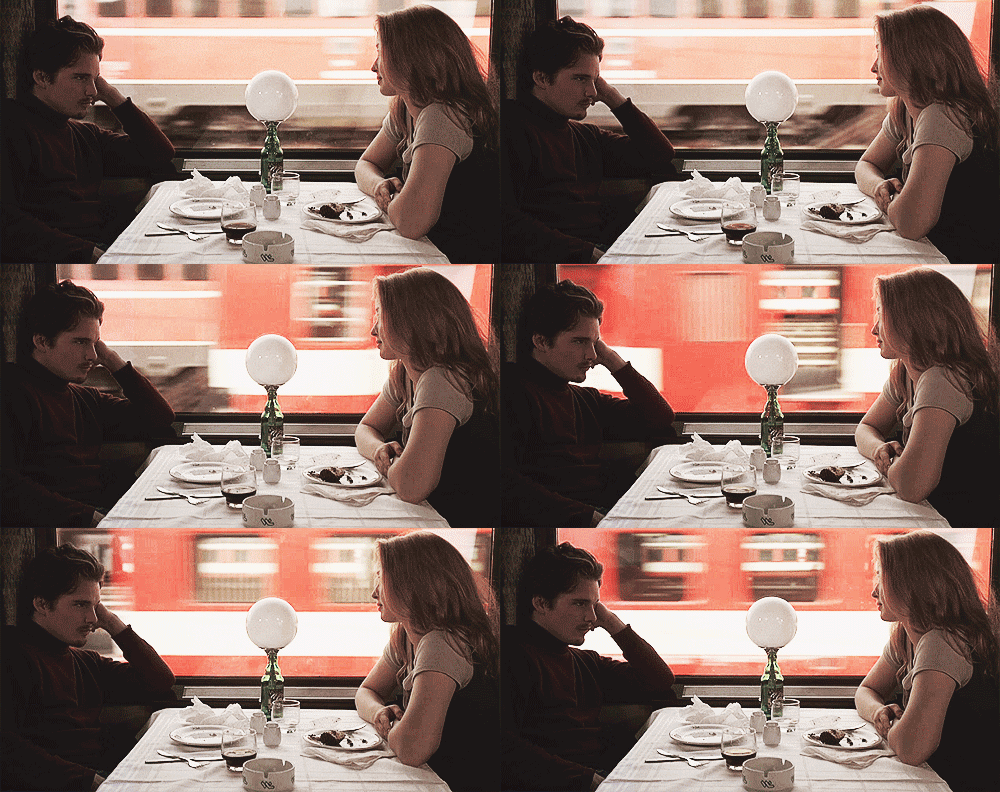
The second installment in this trilogy, Before Sunset - Is it just a trilogy? We'll get to that in the next post about the Before series - is a continuation of the story of Jesse (Ethan Hawke) and Celine (Julie Delpy), two young lovers who met on a train heading to Vienna nine years before the events in this story.

Jesse - the brash, romantic dreamer - has become an author since the events in the first film. He lives in NYC with a wife and young child and is on a European book tour for his novel, a fictionalized version of his date with Celine.

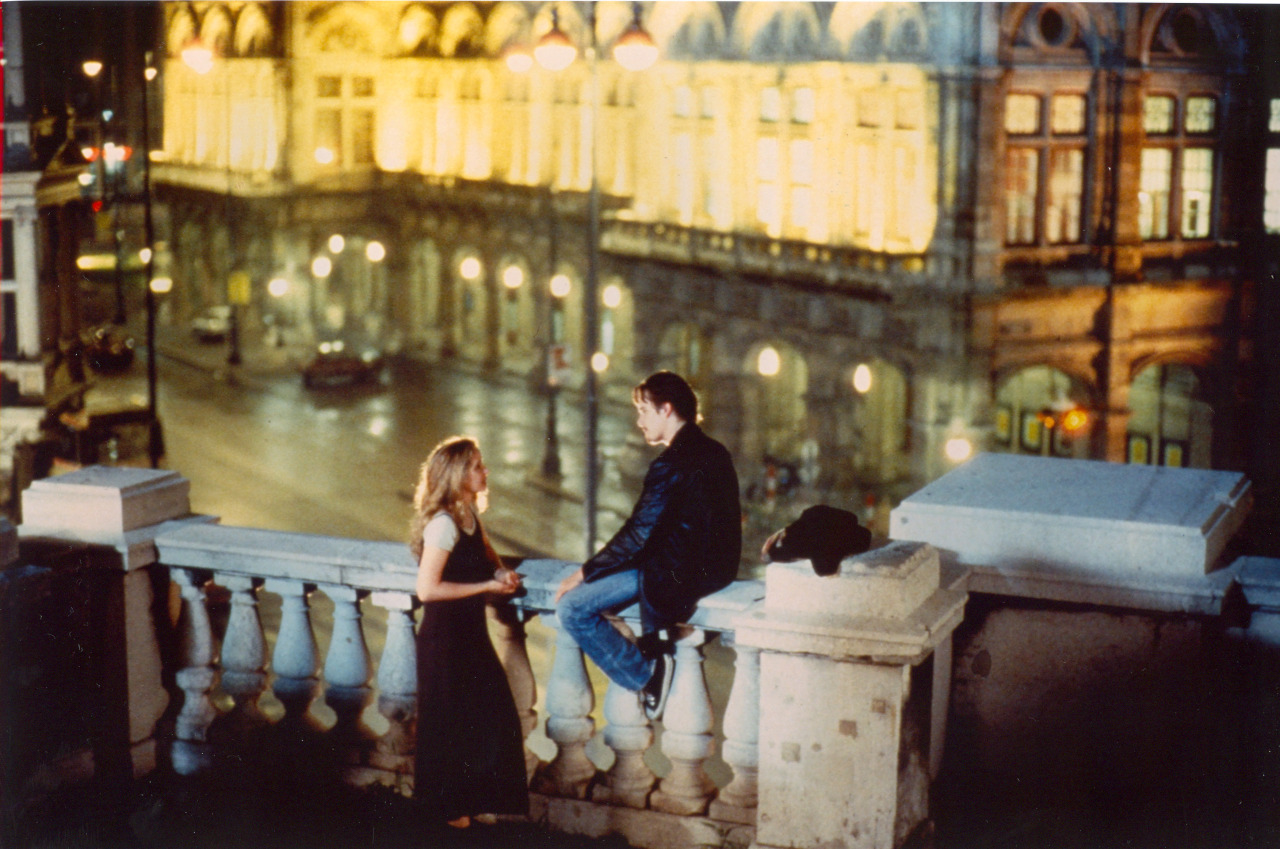
Speaking of, she still lives and works in Paris and the Paris date of Jesse's book tour is where their reunion occurs. They only have an hour and half our so left before Jesse has to catch his plane back to the U.S. and to his family. The couple once again wander through a beautiful European city, discussing their lives, their loves, and what they've been up to for nine long years.


Hawke and Delpy co-wrote the film with director Linklater, and were Oscar-nominated for their work. You can feel the lived-in vibe of the conversations they have as thirtysomethings reconnecting.

Where the first movie had a dewy twentysomething romantic longing vibe, knowing that the two lovers are fighting a clock's time running out, Sunset has a different twist. There is a time-is-running-out element of a plane to catch, but also the reward of finding each other again after nearly a decade apart.

Hawke and Delpy have become better actors in the intervening years, and maybe a tad more cynical, but it all propels the film to a smart conclusion: another possibility to move forward, another choice that changes their direction in life.

The short film, only 80 minutes, occurs almost in real time. There's a real rush to inform, a rush to get everything in to words that these two reconnected romantics have been holding out on.


Knowing this is the middle section of a trilogy and that another decade will have to take place before the next  installment, is both exciting and frustrating. Where will two lovebirds move on to now that their fairytale has come full circle and they've been reunited?





Friday, March 10, 2017

Pagan Cage: 'The Wicker Man' and a Remake of a Remake

Here is the trailer for the unsettling and spectacular 1973 British cult thriller/horror movie The Wicker Man:

And the trailer for the misbegotten American remake from 2006, starring an aimless, horribly miscast Nicholas Cage:

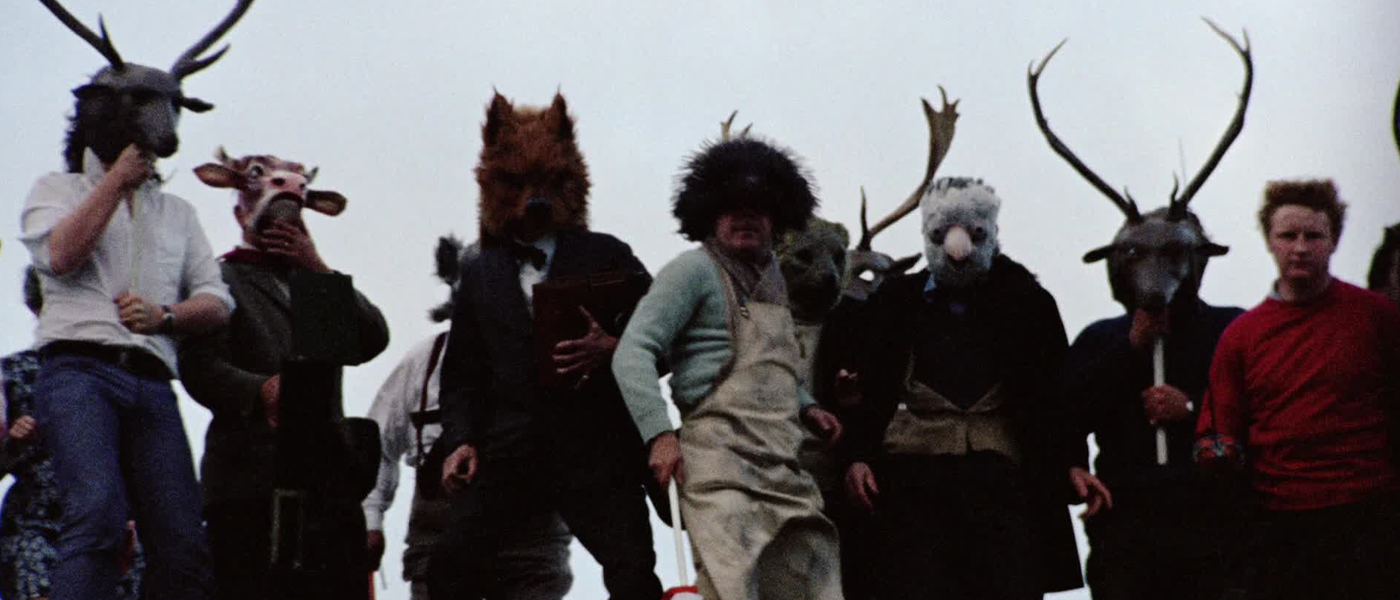
Butchery anyone? The original British film, based on a late '60s novel called Ritual, concerns an uptight, upright Christian police sergeant named Howie (Edward Woodward) searching for a missing girl on Summerisle, a remote island off the coast of Scotland. The inhabitants of Summerisle have abandoned Christianity in favor of a nature-centric paganism, much to the intense distrust of Howie.

No spoilers, but the film centers around the island's nefarious leader, Lord Summerisle (a fantastic turn by horror stalwart Christopher Lee) and his desire to keep the island's fruit harvest going strong, year after year. It's the lifeblood of the island. To keep this going, sometimes there needs to be sacrifice. Or "a" sacrifice, if you will. One Christian prig vs. an island of pagan men, women,and children, ready to protect at a moment's notice. Do the math.


This cult film about, well, a UK cult in the free love, hippie dippie early '70s is the major hook for this film. A series of folk song performances scattered throughout almost turn it into an odd, colorful musical about worshiping nature's power, even at the expense of killing people who get in the way.

The film is a sharp, slow burn, seemingly frolicsome and harmless at first but with a sinister undercurrent (I suppose depending on your religious affiliation) of one faith trumping another. It's truly an original and stunning feature that was highly underrated for decades.


Then in the mid-'00s, playwright Neil LaBute decided to write and direct a remake of the film as a sort-of misogynist (on purpose?) reframing of the story, with Summerisle being almost entirely populated by females, and, we discover, an island of Salem witch ancestor escapees.  

I guess that fuels Cage's over-the-top performance (see the above "Best of" clips reel, where this horror movie is easily recut as an unintentional comedy) and has him punching out, shoving, slapping, shaking, and knocking over most of the main female characters in the film. They do exact their sweet revenge by forcing hundreds of bees into a helmet over Cage's face, stinging him repeatedly as punishment for this remake being made.

Although a small indie "companion piece"/non-sequel/non-remake titled The Wicker Tree (2012) -written and directed by the original film's Robin Hardy - was released, it didn't get much attention. It was seen as an adequate but unimpressive continuation.

Is 11 years to early to start a remake of a remake? Although there are successful, raw, and tantalizing shades of The Wicker Man in Ben Wheatley's terrifying 2011 film Kill List, what if Wheatley did a full-on remake of the original? Or maybe Sean Durkin, the director of the dread-filled, cult escapee indie Martha Marcy May Marlene, tried his hand at it?

Or for the remake-abhorrent, how about a new take on the tale of an isolated cult being accessed by an interloper? What if the cult was anti-technology, pro-back to nature survivalists housed in a pleasant world of nouveau hippie smiles and Father John Misty folk tunes? There could be chilling power in that version.


Thursday, March 9, 2017

Vienna: The Before Trilogy 1: 'Before Sunrise'


Criterion, the bastion of all that is intellectual/cool/hip/legendary in film history, has just released a beautiful, extras-laden box set of the Before trilogy of movies by Richard Linklater.

A dissection of the love affair of a couple over three decades (with films released in 1995, 2004, and 2013), this small cult film has grown into a wonderfully intimate dissection of finding, losing, regaining, and questioning a romantic relationship over a large portion of a lifetime.

The first film in the series, Before Sunrise, was a blink-and-you'll-miss-it, small indie, released in January of 1995. I caught the film that winter, in a suburban Minneapolis movie theater, alone in both the theater and in my romantic life; it was quite a revelation. Being just about the same age as the two main characters in the film, and having recently spent some time in Europe in college, I felt an "experience kinship" of sorts. Let's say I was all-in for the ride.

Speaking of, our two protagonists, Jesse (Ethan Hawke) - an American visiting the Continent with a '90s Eurail pass, and Celine (Julie Delpy) - a French college student returning to Paris, meet each other by chance on a train heading toward Vienna. After a few hours of conversation on the train, they hit Vienna - Jesse's destination - and he convinces her to get off there with him and continue talking. She does, and we embark on a, now, hour-and-a-half-long film of a nearly 24-hour-long first date.


If you're not into the talkfest vibe of films like My Dinner with Andre or the underrated, largely forgotten Mindwalk (an early '90s, sort of grown-up Before Sunrise, minus the romantic element), then you might have passed on Sunrise, maybe due to the lazy press angle that it was a twentysomething grunge rom-com set in Europe. But it's so much smarter than that.

The romantic, languorous vibe of these Clinton-era youths flows through their pre-internet, pre-smartphone world. There's no Top 10 Best Sights in Vienna Buzzfeed list they're following, or texts to check, Facebook or Instagram posts to make. 1995 in the film could be 1985, or 1975 in a way; it's about talking, sharing, and bonding, but not with technology.

The two share thoughts, ideas, theories, and memories on culture, dating, religion, human interaction, etc. in a variety of locations around Vienna (restaurants, bars, parks, shops, carnival, river walk, etc.). I compared the slow awakening of their interest in each other with my awakening to similar decisions and thoughts in my head, all of us eager youths in the mid-'90s.


The lovers part the next morning with plans to meet up again six months later at the train station they're departing from, with no exchange of contact information; they're going on blind faith that they'll make this next event happen. The cliffhanger ending, as it were, is: Do they ever meet up again?

For years and years (nine to be exact), you never knew and presumed would never know the answer to a movie that ends with a question mark.

Imagine the reaction of the small cult of fans around the world when they found out Linklater, Delpy, and Hawke were making a sequel to this small romantic tale. The 2004 sequel, Before Sunset (the focus of a blog post in the very near future) answers the questions I had and poses more.

Although the subsequent two films delve deeper into these characters lives, with more lived-in, believable, and deeper performances by Delpy and Hawke (who have grown leaps and bounds in skill with each film), the first film has a naive magic that hovers around this first installment of this couple's tale.

It could be the innocence of the '90s, the rambunctiousness of early twentysomething wanderlust, or the dewy babyfaces of the hero and heroine of this romance, but Sunrise is the honeymoon period, the calm before the storm, the yearning instead of experiencing the coupledom to come. It glows.


Monday, March 6, 2017

From 'Paris' to the World: 'Kiki' and the New Scene


The joy of video on demand is that you can access hard-to-find, barely released, festival-only films immediately from the comfort of your couch. Movies that would have had to trickle down through the endless festival circuit to (maybe) play on a tiny screen in the indie-est of theaters in your town is a thing of the past.

Kiki, a 2016 feature-length doc on the latest version of the New York City ball scene is now on iTunes, the same day it was released in a few theaters in major markets. Now, if you're in tumbleweed Nebraska, you can still watch this document of the lives of 21st century QPOC (queer people of color) concurrently, not years later as a time capsule. Kiki's obvious predecessor/godmother was Paris is Burning, which went from festival to tiny theatrical run to gathering a long, growing cult audience, years and then decades after release. It made the journey from clunky videotapes to DVDs and then streaming.

Both Kiki and Paris follow the ball community in NYC but decades apart. Whereas Paris was almost a worldwide debut of a movement for anyone outside of this small but tight NYC QPOC community, Kiki is a continuation of a scene that has reached, if not mainstream, than a much larger audience.


The ballroom scene, now dubbed "Kiki" by the new generation, still has houses like decades before but the immediate world around them has more of a present, but still fragile, support system, unlike the outsider and secluded world of Paris's 1980s isolation.

Although Kiki has a little less emphasis on the flashy ball performances and scathing judging of Paris and more on the contestants' daytime lives as social workers and activists, maybe that's not such a bad thing. Well-rounded human portraits of the lives of these young adults may be what takes Kiki from the "look at me"/"look at this world" voyeurism of Paris to the "how can we change our circumstance?" and "how can we get drag/vogue/kiki established as a long-term cultural expression from POC?" much like jazz and hip-hop have done for decades.


The sophistication and order of the costumes, dancing, and expression is elevated from the rough-around-the-edges world of the mid '80s. Empowerment, education, and activism have come closer to the center of the lives of the Kiki kids.

While that may dampen the excitement audiences found in the raw thrill of the Paris ball scenes, in Kiki it shows the challenges QPOC young adults and teens face, up front and center. These challenges make the kids of Kiki feel truly real.

Friday, March 3, 2017

Get In to It: 'Get Out' and New Heroes


Note: I purposely did not include a trailer (as I usually do) at the top of this post because it revealed too much about the movie; it was a spoiler minefield. Better to go into this movie not knowing what's going to happen.

Do you ever stop and think of the cast of a horror movie and the order the victims are picked off, one by one? Types, archetypes, stereotypes. Usually there are "token" characters: "the loudmouth goofball," "the slut," "the bookworm nerd," and "the black guy."

These "types" are picked off early to narrow down to the final duo (usually one girl and one guy, usually white) who survive. Jordan Peele (one half of sketch comedy duo Key & Peele) has made a new horror/dark comedy film Get Out that upends those conventions. The "black guy" is the protagonist/hero of this smart satirical take on race and modern horror, in movies and society at large.

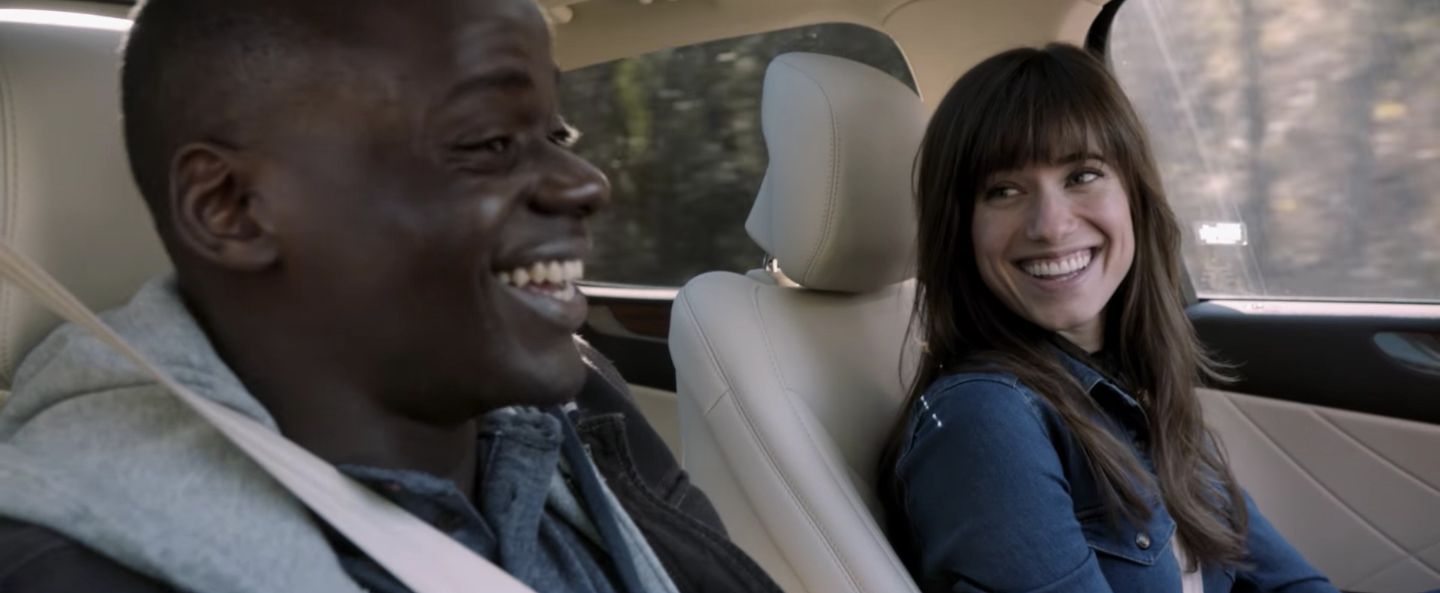
Chris (Daniel Kaluuya, so great in Black Mirror) is a black photographer with an affluent white girlfriend, Rose (Allison Williams) who take a weekend trip to Rose's parent's rural mansion to meet for the first time. Clunky, awkward praise of "black people" by the wealthy parents of Rose (played to great, nasty effect by Bradley Whitford and Catherine Keener) slowly and smartly veers into creepy, awkward situations that quickly descend into unhinged madness.


"There are plots against people, aren't there?" - Rosemary Woodhouse (Mia Farrow), Rosemary's Baby

"If I'm wrong, I'm insane...but if I'm right, it's even worse than if I was wrong." - Joanna Eberhart (Katherine Ross), The Stepford Wives

Writer/director Peele has acknowledged the influence of two Ira Levin book-to-screen adaptations, Rosemary's Baby and The Stepford Wives, to the satirical base and vibe of Get Out. While Rosemary dealt with religion/faith and Stepford with feminism, this film takes on race, in that same fish out of water/"Am I the only one who's not crazy here?" paranoia permeating the whole atmosphere. A lush, manicured, spotless mansion and grounds do not lull Chris into submission, especially when he meets the seemingly catatonic groundskeeper and maid, Walter and Georgina, also black.

Chris's best friend Rod (LilRel Howery), house and dog sitting his place in the city, adds much needed levity and comic relief as a lifeline/reality check, as Chris questions his own sanity during the weekend vacation.

The first half of the film is a solid, slow-burn psychological thriller while the second half dives into a gorier, more traditional horror film, but with a solid streak of satirical smarts. This balancing act could have gone off the rails and produced a lopsided mess of an ending, but Get Out keeps on that tightrope walk all the way to the final shot.

Horror, as a genre, reboots and re-imagines itself more than most film genres do, when it comes to basic conventions. Get Out and its creator Peele are happy to do that.

The survivor is a black man; welcome to a winning new take on an old genre.


Monday, February 27, 2017

'Moonlight', 'LaLaLand', 'Pariah' and the Oscars - Inevitability Upended


It's the morning after the upset of Moonlight winning the Best Picture Oscar, after a flub by some idiot stage managers, duplicate envelopes, and Faye Dunaway just willing to read whatever film title was on the card in front of her. No, I don't believe it was a conspiracy plot or Russian hack. Save that for Trump's win last November.

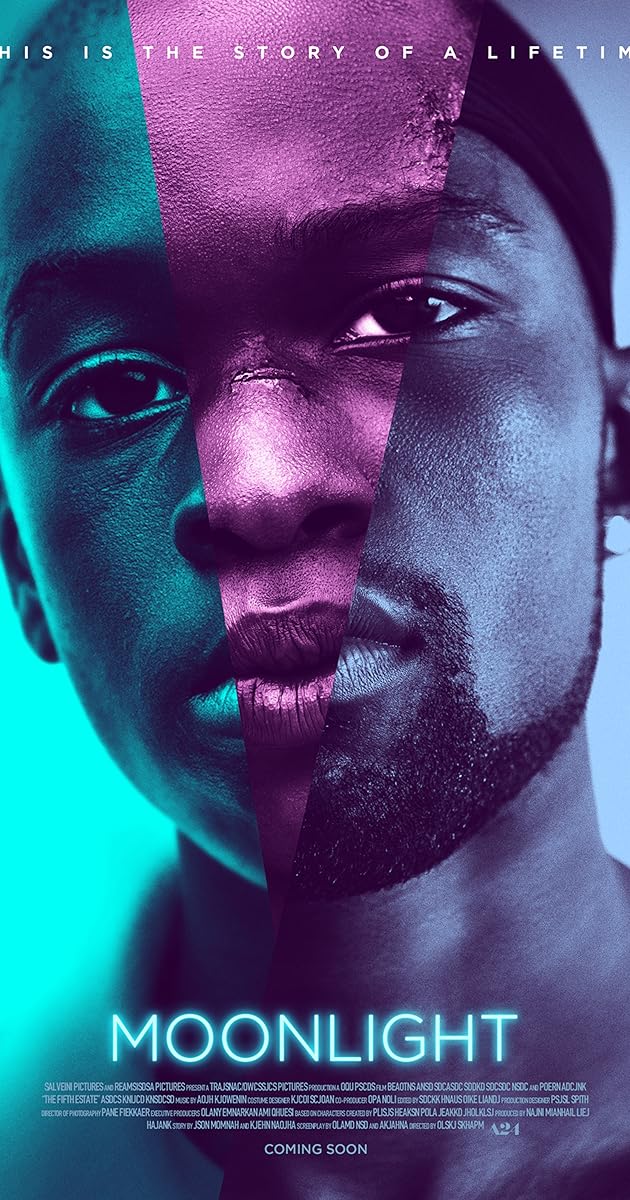
Barry Jenkins' Moonlight was one of my favorite movies from last year (along with 20th Century Women, Arrival, among a few others) and well-deserving of its win, not as some kind of token Oscar nod but as a fierce and deep, but also hypnotically calming film full of strong messages.

LaLa Land was a fluffy, candy-colored, puddle deep film that was technically lush and well-made, but more or less an escapist rom-com. You can read my original thoughts on it here.

Moonlight's deserved Oscar win for Best Picture was the first for a film centered around a gay character and most certainly the first, or one of the firsts, to feature a cast entirely of people of color. It's also one of the smallest-budgeted films to win the prize. All of these firsts are important, and important to document for reflection. They would seem like just statistics if the film itself wasn't filled with outstanding performances, beautiful cinematography, and a haunting score.

The quiet, meditative tone and slow pace of the movie is in such contrast to much if not most of the films up for Oscars this or any year. It had the glacial movement of a European art film but a steadfastly American modern location and situation.


Having a young, gay man of color be the center of a small independent film pushed into the mainstream, catching on, then exploding all the way up to the pinnacle Oscar win is something to be remembered. Will next year's Best Picture winner be back to business as usual? Does this change anything for Hollywood in terms of reflection or visibility?

When seeing Moonlight for the first time, I was reminded of a film that felt like a precursor to it, almost. A small, critically praised but little-seen movie called Pariah (2011) by Dee Rees, about a black lesbian teenager in NYC and making her way through the resistance to her truly being herself. I hope people who loved and praised Moonlight discover this film.


Thursday, February 23, 2017

Off-the-Grid Kids: 'Martha Marcy May Marlene' and Cults


When most people speak of cults today, it seems to be in the past tense, relics of a previous era that seemed foolish, naive, hippie-dippie, and dated.

You also could argue that the heyday for cults was the 1970s - post-'60s hippie but pre-'80s greedy Reagan years. The 1970s were the self-reflective/self-indulgent 'Me Decade' after all (or so the easy tag-line says). Escaping the Vietnam and Watergate aftermaths, some people went off the grid. But that was in the pre-Internet, pre-cell phone, pre-GPS era. Can people really disappear nowadays?

The 2011 psychological thriller Martha Marcy May Marlene is a smart, sad half-answer to this question. Martha (Elizabeth Olsen, younger sister of the former kiddie actors Mary-Kate and Ashley) escapes from the upstate NY farm/compound of an unnamed cult of young people early one morning. She calls her older sister Lucy (Sarah Paulson) to come get her at a roadside diner and then ends up recuperating at Lucy and her husband Ted's (Hugh Dancy) vacation home, also in upstate NY.


The film is a flip-flop between Martha's flashbacks and her current silent, closed-off emotional state while at her sister's home. The plot is a bit aimless (much like Martha) but is based around a series of increasingly paranoid visions and memories of disturbing things she did and/or witnessed during her two-year sojourn with the cult.

One of the smart and scary things that director Sean Durkin did is make the cult nameless and directionless, not a political or anti-establishment drive but a incestuous group of n'er-do-wells who survive by any means necessary, including violence.

So, now that it's harder than ever to officially "vanish" from society because of the aforementioned reasons, is it still possible and desirable for young people to be seduced by the idea of technological rejection, of "back-to-the-land" emphasis of lifestyle?

And is "living off the grid" now more of an escape from Trump American chaos in 2017, then a mere nostalgic hippie fantasy or a seductive escape from the boredom of bourgeoisie life, like when this movie was released in 2011 in Obama's America?

Are people ready to "escape to the forest to survive," en masse, and pretend The Walking Dead is real now?